Նորայր Շահինյանի «Դատարկության հզորությունը» գրքի շնորհանդես
"Դատարկության հզորությունը"
Սան Փաուլոյում (Բրազիլիա) ծնված, լուսանկարիչ Նորայր Շահինյանի Թուրքիայում նկարված լուսանկարներում տեսանելի են մի քանի տարբեր շերտեր: Նախ, ճանաչել Անատոլիայի զանազան մարզերի կյանքը ՙդրսից՚, մեկի կողմից, որը եկել է աշխարհի մյուս ծայրից` հազարավոր կիլոմետրեր հեռվից: Բայց, ավելի կարևորն այն է, որ դրանք, հարյուր տարիների հսկայական բացից հետո, ՙներսից՚ նկարագրում են մի հայի վերադարձը դեպի իր արմատները Մարաշում, Ուրֆայում, Իսկանդերունում, այցելություն իր ընտանեկան հողերը:
ՙԴատարկության հզորությունը՚ մի փորձ է հաշտվելու այս վերադարձի սրտում մարմնավորված, այս վկայության, ներուժի և անհավանականությունների հետ: Սա, բռնի ուժով իր հողից կտրված և արտաքսված, ...չորրորդ սերնդի մի հայի պատմություն է, որն ունի քաջություն, առերեսելու անցյալը, ներկան և ապագան:
Նորայր Շահինյանը Բրազիլիայում ծնված, Օսմանյան Կայսրության վերջին տարիներին, ՙՄիություն և զարգացում կոմիտեի՚ կողմից ծավալված, հայերի դեմ ցեղասպանական ռազմավարության զոհ դաձած ընտանիքի զավակ է: Նրա տատերն ու պապերը, այդ աղետալի օրերին կորցրեցին իրենց ընտանիքներն ու ծանր պայմաններում ապաստան գտան Սիրիայի Հալեպ քաղաքում, որտեղից գաղթեցին հարավային Ամերիկա, Բրազիլիա, կիսելով այն հայերի ճակատագիրը, որոնք, իրենց նման ցրվել էին աշխարհի տարբեր անկյունները:
Շահինյանը մեծացել է սփյուռքահայ համայնքում, ձևավորվել է այդ ինքնության բոլոր տարրերով: Նա հիմնավորապես տեղյակ է իր ընտանիքի պատմությանը, սովորել է հայերեն, և հավատում է, որ Հայոց Ցեղասպանության ճանաչումը, ոչ թե հատուցման, այլ արդարության խնդիր է: Նրա պատկերացումները Թուրքիայի և թուրքերի մասին, պատմություն էր մահվան և բռնությունների մասին: Նա որոշեց, իր կյանքում շրջադարձ կատարել և այս պատումը ծավալել անձամբ, շփվել ժամանակակից թուրքերի հետ, և այն հողերի հետ, որոնք ժամանակին պատկանում էին իր ընտանիքին:
ՙԴատարկության հզորությունը՚ ցուցահանդեսի լուսանկարները մեզ ներկայացնում են Շահինյանի այն դիտարկումները, որոնք նա արձանագրել է ճիշտ այդ շրջադարձի պահին: Այս ձգտումը լուսանկարչին բերեց Թուրքիա, որտեղ նա ոչ ոքի չէր ճանաչում, չգիտեր լեզուն, անծանոթ էր բնակիչների նիստ ու կացին: Նա եկավ այստեղ, ոչ, որպես զբոսաշրջիկ: Նա եկավ կառուցելու մի կամուրջ, անցյալի և ներկայի միջև, որպես իր ընտանիքի վերջին կապը, որը զոհն ու վկան էր հարյուր տարի առաջ տեղի ունեցած աղետի, բայց որը կարողացել էր ապրել, գոյատևել և օվկիանոսի մյուս ափին կառուցել նոր կյանք:
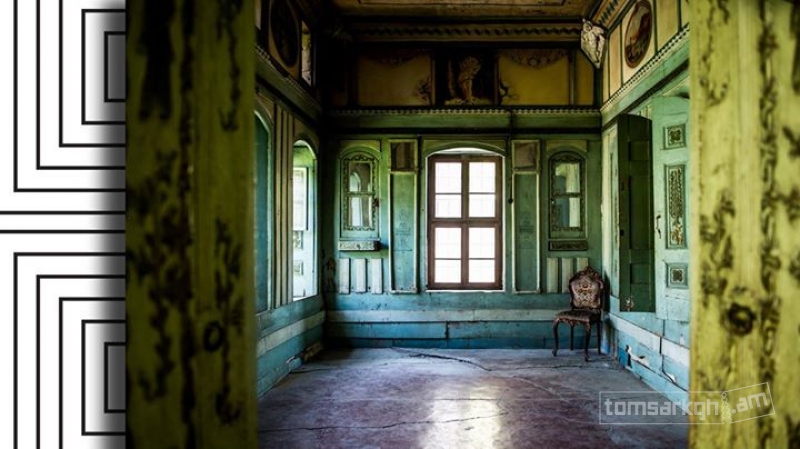
Անցյալի այս պատմությունը և նրա վճռականությունը արտացոլվում է, Թուրքիայի տարբեր քաղաքներում նկարված, Շահինյանի լուսանկարներում առկա բացակայության ու դատարկության մեջ, ինչպես նաև կյանքն ու ապրելու հարատևությունը: Դատարկությունը, որը մնում է մահացածներից կամ բռնությամբ աքսորվածներից հետո: Նրանցից լքված դատարկության հզորությունը անժխտելիորեն արտացոլված է այս կադրերից յուրաքանչյուրում:
Լքված եկեղեցիների վրա կամարված ծիածանը, ամայացած փողոցներում խաղացող երեխաները, զինվորական հեղաշրջման ժամանակների կարգախոսներ գրված հայկական որմնաքանդակ բնագրերի վրա, դատարկ տան մեջ սպասող լքված ճամպրուկ, որը կարծես հենց երեկ է այդտեղ թողնվել: Դատարկության հզորությունը, հզորության դատարկությունը…
Այս լուսանկարները, նկարվել են մի անձի կողմից, որը ներկայանում է որպես անտուն, արմատախիլ եղած, որը ապրում է արտերկրում և ճամփորդում է դեպի մի երկիր, որտեղ գտնվում է իր ակունքը, որպեսզի երկրագնդի վրա լիարժեք սահմանի իր կոորդինատները և կրկին արմատավորվի, ինչը համընդհանուր ձգտում է:
Վերադառնալով իր արմատներին, Շահինյանը քայլում է համաշխարհային տարածքում և վերածվում համընդհանուր էակի:
Ռոբեր Քոփթաս
--------------------------------
The Power of Emptiness
Norair Chahinian
The photographs taken in Turkey by Sao Paulo (Brazil) born photographer Norair Chahinian strike viewers in a number of different ways.
First through their witnessing of life in various regions of Anatolia ‘from the outside’, by someone who has come all the way from across the world, thousands of kilometers afar. But more importantly, through their depiction ‘from within’ of the return of an Armenian to his roots in
Maraş, Urfa, İskenderun, as he visits the land of his family after a gigantic lapse of one hundred years.
“The Power of Emptiness” is an attempt to come to terms with the potentials and the impossibilities embodied at the heart of this return, this witnessing.
It is the story of a fourth-generation Armenian forcefully torn apart and banished from his lands showing the courage to look the past, present and future straight in the eye.
Norair Chahinian was born in Brazil as the child of a family that had fallen victim to the Committee of Union and Progress’ genocidal politics against Armenians during the final era of the Ottoman Empire.
His grandmothers and grandfathers had lost their families during those days of catastrophe, took refuge in Aleppo, Syria, under dire circumstances and had migrated to Brazil, South America from there, sharing the fate of Armenians who like themselves were dispersed to all corners of the world.
Chahinian was raised in an Armenian diaspora community and internalized all elements of this identity. Norair Chahinian, who knew his family history thoroughly, learned Armenian and believed that the recognition of the Armenian Genocide is not a matter of retribution but of justice, was familiar with Turkey and Turks through a narrative weaved with deaths and violence.
He experienced a turning point in his life the moment he decided to expand this narrative by personally coming into contact with Turks living today and the lands that once belonged to his own family. The photographs in “The Power of Emptiness” present us with the observations Chahinian made precisely at this turning point.
This quest brought the photographer to Turkey where he knew no one, did not speak the language; where he was familiar neither with the climate nor the ways of the people. But in no way as a tourist.
He came here determined to build a bridge between the past and present, as the last link of a family who was the victim and witness of the catastrophe experienced one hundred years ago but had managed to live, survive and build a new life on the other side of the ocean.
Ensuing from this past and determination, there is absence and emptiness as well as life and the perpetuity of living in the photographs Chahinian took in different cities of Turkey. The emptiness that remains from those who died, who were forced into exile and the power of this emptiness is undeniably reflected in each and every frame.
The rainbow over the derelict churches, children playing on deserted streets, slogans of the military coup era written across Armenian epigraphs, an aggrieved suitcase in an empty home waiting as though it was left there only yesterday. The power of emptiness, the emptiness of power…
These photographs, which were taken by a person rendered homeless and rootless; depicting the journey towards a land where his source lies in order to fully establish his coordinates on earth and to take roots again, also express a universal quest.
In going back to his roots, and towards the local, Chahinian treads on a more worldly ground and becomes universal.
Rober Koptaş
#mirzoyanlibrary #NorairChahinian #yerevan
 Order Gift Card
  Add Event
  Contact Us